Compare & Contrast
John Hughes | Published on 1/1/2026
If you are on a quest for the very best sound your system can render, you might try some structured comparisons between different releases of the same album.
Over the last 30 years, I've compared numerous evolving systems and learned what my system does well and where it needs improvement. I’ve also found that my digital and vinyl systems are more alike than different, with similar releases!
Recently, I found a truly amazing set of albums that illuminate my system through this process. They are from the new company, Analog Tone Factory. Pictured above are Jerome Sabbagh - Heart, and Chris Cheeks - Keepers of the Eastern Door. Classic jazz music, recorded in pure analog and released with an ultra-quality record pressing process. You can purchase the 24/192 high resolution files or stream them on Qobuz/Tidal. If you buy the record, you can also download the high-resolution versions for free... but the real icing on the cake is that they have now released DSD256 resolution files converted directly from the analog master tapes.
These DSD256 releases are converted directly from the master tapes without any editing, format conversions, resampling, or rework. It is the closest rendering to the sound of the master possible, and similar to what Mobile Fidelity does in their One-Step process to capture music from master tapes. Almost always digital releases are remastered to be different than the analog version, so these are a rare glimpse into the analog master tapes.
Comparing all four versions, it becomes transparent what coloration my turntable adds to the picture. It also clearly shows the failings of my digital system. I can also grok where my system as a whole is coloring my music and what limitations are evident. Currently my vinyl system has more treble energy and is a bit brighter than my digital system. Conversely, my digital system is warmer, smoother, and rolled off at the top. It’s the opposite of standard expectations!
In a happy coincidence, Jerome Sabbagh, the founder and prime artist of Analog Tone Factory will be speaking and playing music at an event we are hosting in February – don’t miss it!
Some other comparisons that figure heavily in my listening are original pressings vs. vinyl remasters vs. digital remasters.
If I love an album, I seek out the original pressing, just to see if it’s better than the copies I am used to. I also seek out digital releases for comparisons. Doing a comparative listening session with each release, I learned more about my system, the direction it needs to go, and discover new insight to music I love.
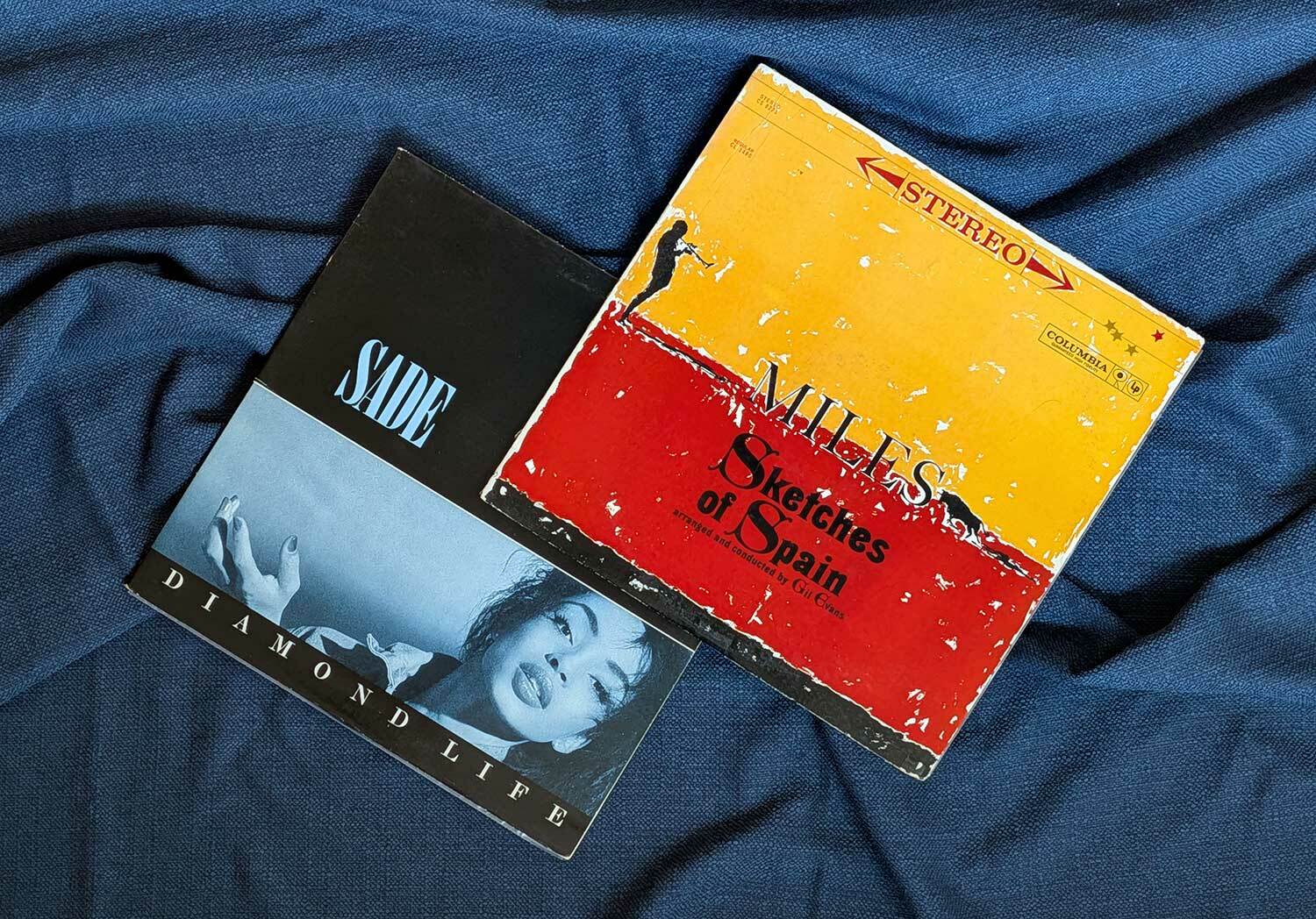
I recently acquired the original UK pressing of Sade’s Diamond Life. I have history with this album and love the music to this day. Unfortunately, the sonics aren’t the best. Comparing the OG record with the various digital releases and my other vinyl releases, the sonics are only marginally elevated. But I now know new directions to improve my speakers bass and treble response.
Another OG record I have is Miles Davis’s Sketches of Spain. I also have many different high resolution digital releases of this album, and a couple remastered vinyls. The contrasts are clear, and this is a case that the OG Columbia "Red Eye" original pressing is always clearly superior. This allows me to focus on my digital system and ways to make it the equal of the Red Eye’s spectacular sonics (a quixotic quest).
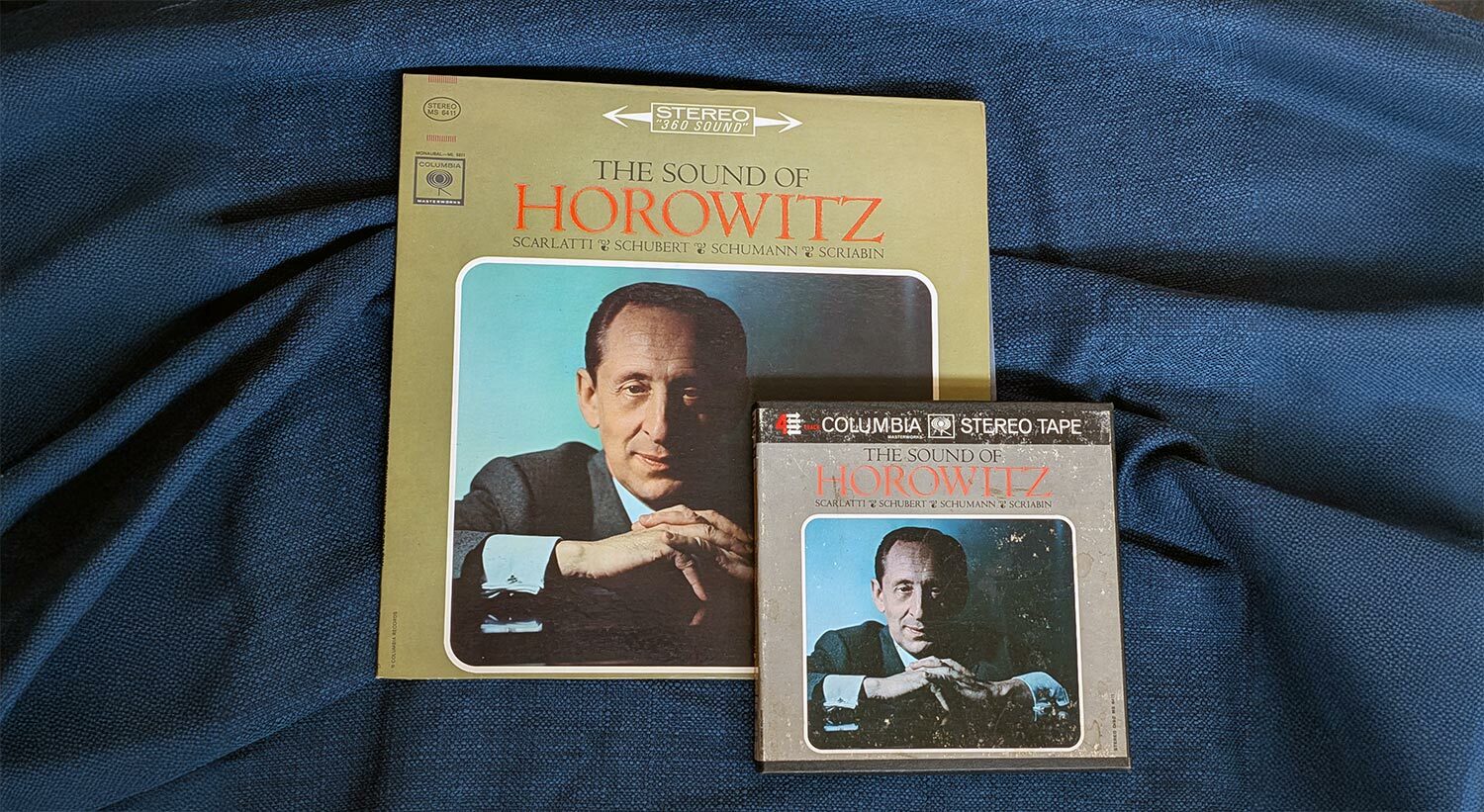
Another album that is in my top ten desert list is Vladimir Horowitz’s The Sound of Horowitz. I’ve played a number of these pieces on piano (incredibly poorly) that Vladimir absolutely crushes. I’ve always considered this original pressing to be the most lifelike piano I’ve ever heard recorded. It has a very upfront perspective of the player, rather than an audience - which is why I love it. Recently I found an unopened reel-to-reel original release tape. I presented it to High Definition Tape Transfer as a potential reissue, they agreed, and released it (link above). They sent me the DSD256 transfer they used for their mastering as thanks. Comparing the record to the DSD256 again lets me hear deep into my system and really shines the light on where I need to take it in the future.
I could have gone into greater detail on what I heard or learned in MY system, but that matters to only one nerd (me!).
Here’s some hints as to how you can kick off this process. Get a notepad, play one complete side of an album, make notes, then play the same tracks from a digital source. If you have another vinyl release, play that next. I personally find it useful to listen to a full side, as I tend to get a more holistic perspective that balances overwhelming negative criticism I can experience in the moment.
Here’s some aspects to listen for and compare:
- Frequency response differences (is the bass tighter on one? more extended? bloated?)
- Soundstage characteristics (wider, deeper, more precise imaging on one vs another?)
- Dynamic contrasts (does one version compress peaks more?)
- Tonal balance (is one brighter, warmer, more forward in the midrange?)
- Noise floor and detail retrieval (can you hear more room ambience, decay, subtle instruments?)
So, if you truly want to learn more about your system, and hear its greatness, illuminating a path forward – Compare & Contrast!